|
NZ Penguin Conservation Updates ͏ ͏ ͏ ͏ ͏ ͏ ͏ ͏ ͏ ͏ ͏ ͏ ͏ ͏ ͏ ͏ ͏ ͏ ͏ ͏ ͏ ͏ ͏ ͏ ͏ ͏ ͏ ͏ ͏ ͏ ͏ ͏ ͏ ͏ ͏ ͏ ͏ ͏ ͏ ͏ ͏ ͏ ͏ ͏ ͏ ͏ ͏ ͏ ͏ ͏ ͏ ͏ ͏ ͏ ͏ ͏ ͏ ͏ ͏ ͏ ͏ ͏ ͏ ͏ ͏ ͏ ͏ ͏ ͏ ͏ ͏ ͏ ͏ ͏ ͏ ͏ ͏ ͏ ͏ ͏ ͏ ͏ ͏ ͏ ͏ ͏ ͏ ͏ ͏ ͏ ͏ ͏ ͏ ͏ ͏ ͏ ͏ ͏ ͏ ͏ ͏ ͏ ͏ ͏ ͏ ͏ ͏ ͏ ͏ ͏ ͏ ͏ ͏ ͏ ͏ ͏ ͏ ͏ ͏ ͏ ͏ ͏ ͏ ͏ ͏ ͏ ͏ ͏ ͏ ͏ ͏ ͏ ͏ ͏ ͏ ͏ ͏ ͏ ͏ ͏ ͏ ͏ ͏ ͏ ͏ ͏ ͏ ͏ ͏ ͏ ͏ ͏ ͏ ͏ ͏ ͏ ͏ ͏ ͏ ͏ ͏ ͏ ͏ ͏ ͏ ͏ ͏ ͏ ͏ ͏ ͏ ͏ ͏ ͏ ͏ ͏ ͏ ͏ ͏ ͏ ͏ ͏ ͏ ͏ ͏ ͏ ͏ ͏ ͏ ͏ ͏ ͏ ͏ ͏ ͏ ͏ ͏ ͏ ͏ ͏ ͏ ͏ ͏ ͏ ͏ ͏ ͏ ͏ ͏ ͏ ͏ ͏ ͏ ͏ ͏ ͏ ͏ ͏ ͏ ͏ ͏ ͏ ͏ ͏ ͏ ͏ ͏ ͏ ͏ ͏ ͏ ͏ ͏ ͏ ͏ ͏ ͏ ͏ ͏ ͏ ͏ ͏ ͏ ͏ ͏ ͏ ͏ ͏ ͏ ͏ ͏ ͏ ͏ ͏ ͏
|
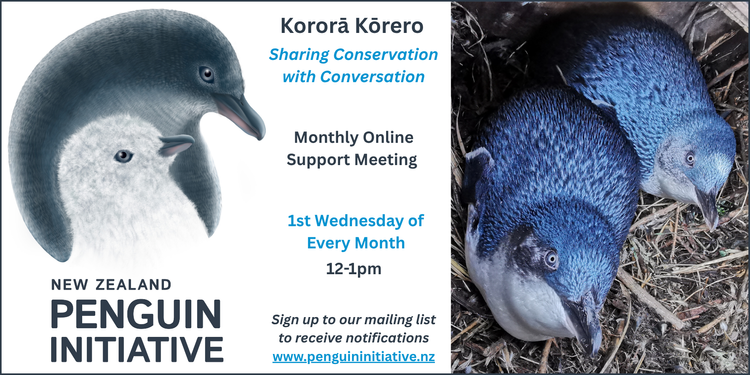
Welcome to the New Zealand Penguin Initiative Newsletter. Winter is a busy time for our kororā/little penguins, with a few colonies already incubating eggs! For most of the country- penguin pairs are busy re-establishing pair bonds, gathering nesting materials and gaining condition, so they are primed for chick raising. Two more groups have joined our growing penguin network! Avian Influenza has now been confirmed across the ditch in Australia, which requires extra caution and vigilance for people working with our native wildlife. We are excited to announce that our National Diet Study is now available on our website- showcasing amazing results from dedicated scat (penguin poop) collectors. Penguin data entry submissions to DOC’s FALCON database are now due at the end of August to better align with penguin activities. We have created an instruction guide to help people monitoring/marking colonies add in their valuable marking and resighting events for kororā. Stoats are a high-risk predator for penguins, and many of our native species. A recent penguin victim from an Otago Peninsula colony, was fortunate to be rescued and taken for prompt treatment following a vicious attack. Western Bay Wildlife Trust are seeking your support for dog bylaw submissions, to help protect penguin colonies in the Western Bay of Plenty. A North Island colony has made a head start with breeding and is keeping up with Oamaru and Dunedin! Our monthly support meeting will be held tomorrow at lunchtime- see details below if you’re interested in joining in the conversation. If you have missed our previous newsletter editions, you can read them here www.penguininitiative.nz/news
|
Welcome to new groups- Ohiwa & Parapara
|
|
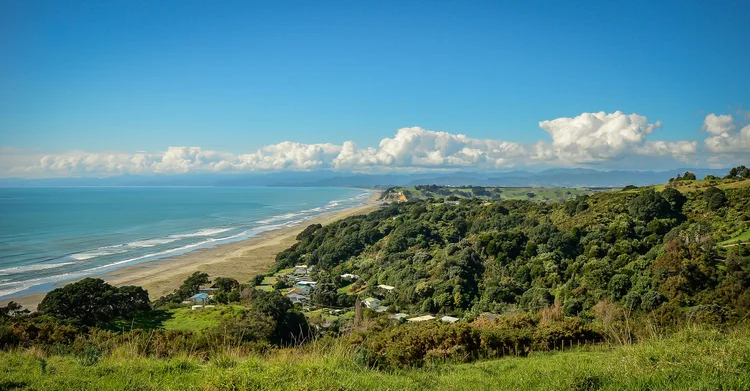
We warmly welcome our first Eastern Bay of Plenty and Tasman based groups to the New Zealand Penguin Initiative family. The Ōhiwa Headland Sanctuary Trust and Penguin Lovers of Parapara (PLoP). We are very excited to support these dedicated communities throughout their penguin protection journey and learn more about kororā living along their stunning coastlines. Their data contributions towards the National Monitoring Programme will be very valuable to help us fill some big knowledge gaps and it’s always great to see more locals getting involved in looking after penguins in their “backyard”!
|
|
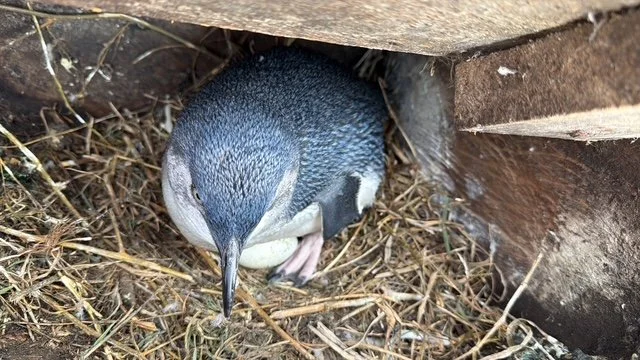
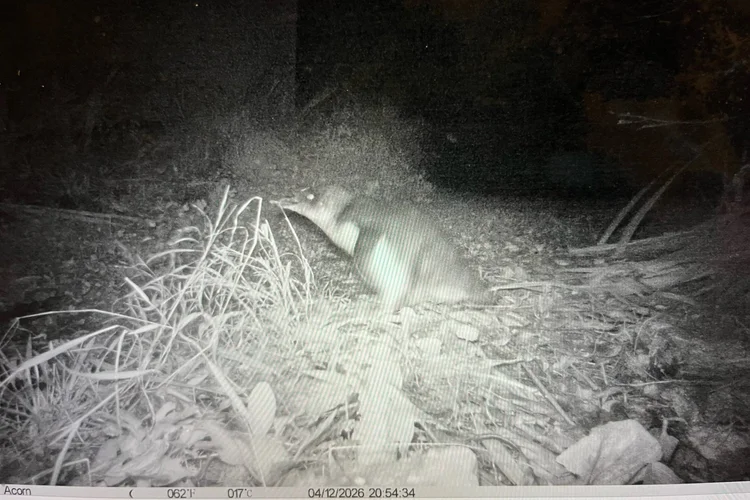
Penguin gathering nesting materials at Lookout Rd site in Parapara, April 2026 Credit: Penguin Lovers of Parapara (PLoP) |
|
|
Highly Pathogenic Avian Influenza (HPAI)
|

|
Highly Pathogenic Avian Influenza (HPAI) can cause sudden death in birds and pose serious risks to wildlife. We recommend all people working/interacting with wildlife have a heightened disease awareness, follow strict hygiene protocols, wear protective equipment, can recognise the symptoms and know who to call. Early detection is critical to help mitigate and prevent disease spread. Ministry for Primary Industries (MPI) and the Department of Conservation (DOC) are the leading authorities on managing HPAI, should it arrive in New Zealand. Please regularly check for updates, to ensure you are doing the best to keep your team safe and reduce any potential spread. For more information visit MPI’s website: https://www.mpi.govt.nz/biosecurity-in-nz/dont-let-bird-flu-take-flight Resources available here: Avian influenza (HPAI) fact sheets and reports | NZ Government |
|
|
|
Signs of HPAI can include: Weakness and lethargy Difficulties standing or walking Tremors, seizures or other neurological signs Twisted neck Head pressing or circling Difficulties breathing or gasping Swollen eyes or head Sudden death, sometimes without obvious signs
If you suspect HPAI- Contact MPI’s exotic pest and disease hotline: 0800 80 99 66 When contacting MPI, helpful information includes: An accurate location of the birds (GPS coordinates and precise descriptive location information) Photographs and/or videos of sick and dead birds Estimates of numbers of birds affected and the species Descriptions of the visual symptoms of illness in sick birds An estimate of how long the birds might have been present
|
It’s All About the Fish- National Diet Study Goes Live
|

|
Fish families found in kororā scat samples across New Zealand. Credit: New Zealand Penguin Initiative |
|
|
|
Alot of our readers will have been following our regular updates about the National Diet Study progress, and it can now all be viewed on our website! Click here to see the incredible results so far: Kororā/Little Penguin National Diet Study - New Zealand Penguin Initiative. The most recent samples (autumn 2026) results are in, and also available on the website- No new fish family crossed the 10% relative read abundance for this season, but there was plenty to be learnt about what kororā eat around the country! There is lots of information about each season and each colony, as well as all the fish families. Big thanks to all those involved and making this research possible! Anyone interested in contributing to the study, is welcome to submit a scat sample of their own. Get in touch for more information or for any diet study queries admin@penguininitiative.nz.
|
FALCON Database Data Upload Guide
|
|
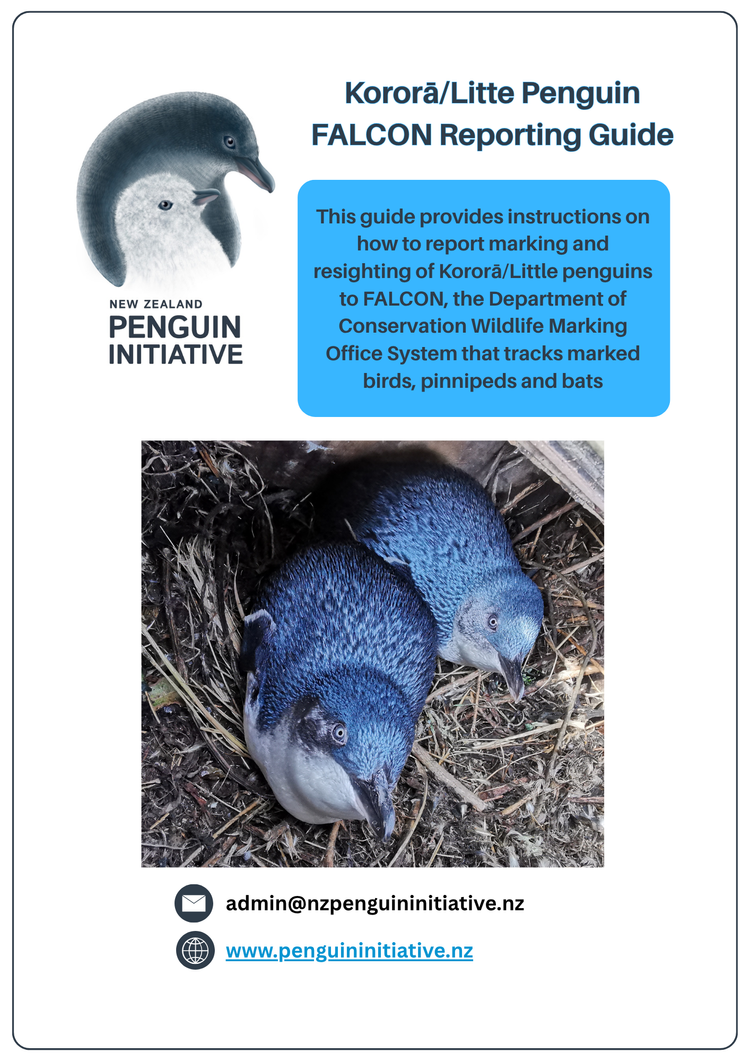
30 August = DEADLINE for Penguin Projects- Marking & Resighting Data Penguin groups collecting marking and resighting data need to submit their records to the DOC Wildlife Marking Office FALCON database: Bird Banding Website We have created a reporting guide, specifically for kororā/little penguin data. It is a step-by-step guide for data submission- either directly via FALCON on the website or by filling in the downloadable spreadsheet. Download the guide here: Monitoring Resources - New Zealand Penguin Initiative |
|
|
Kororā saved from a stoat attack at Allans Beach
|
|
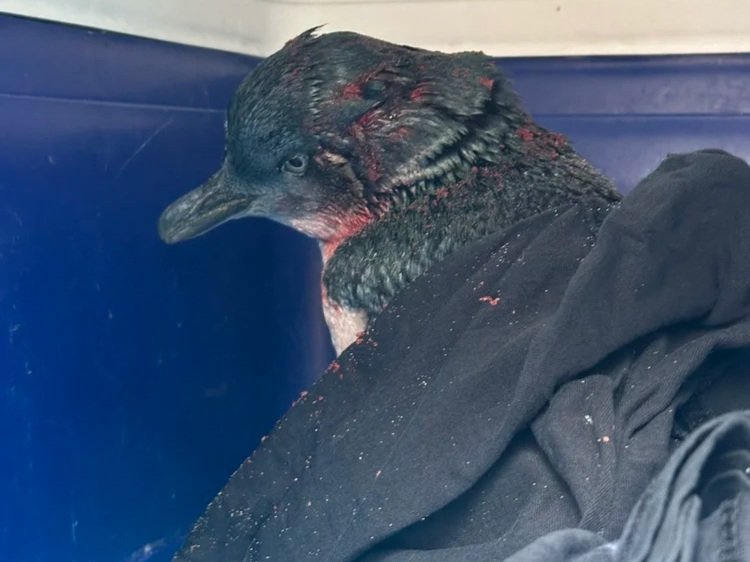
In May, a family visiting Allans Beach (Otago Peninsula) interrupted a stoat attacking a resident male kororā. The stoat ran off but the penguin had sustained bites around the head and neck that needed immediate attention. This awesome family drove him to the Dunedin Wildlife Hospital and saved his life. There are traps installed and regularly monitored at Allans Beach, and still this happened - in fact another four kororā were found dead and probably killed by a stoat in April and May. Without this dedicated family rescuing this penguin- the kill count for this stoat would have been five! It serves as a reminder that we must undertake effective pest control to keep our penguins safe; including monitoring traps and pest presence regularly, and ideally going the extra mile to target those extra smart or trap avoidant predators as soon as they show up!
|
|
Safely in his transport cage he was on his way to the Dunedin Wildlife Hospital, where the vets cared for his injuries and subsequent infection. It was in his favour that he was in very good condition weighing 1.3kg. A big THANK YOU to the Dunedin Wildlife Hospital for caring for him. |
|
|
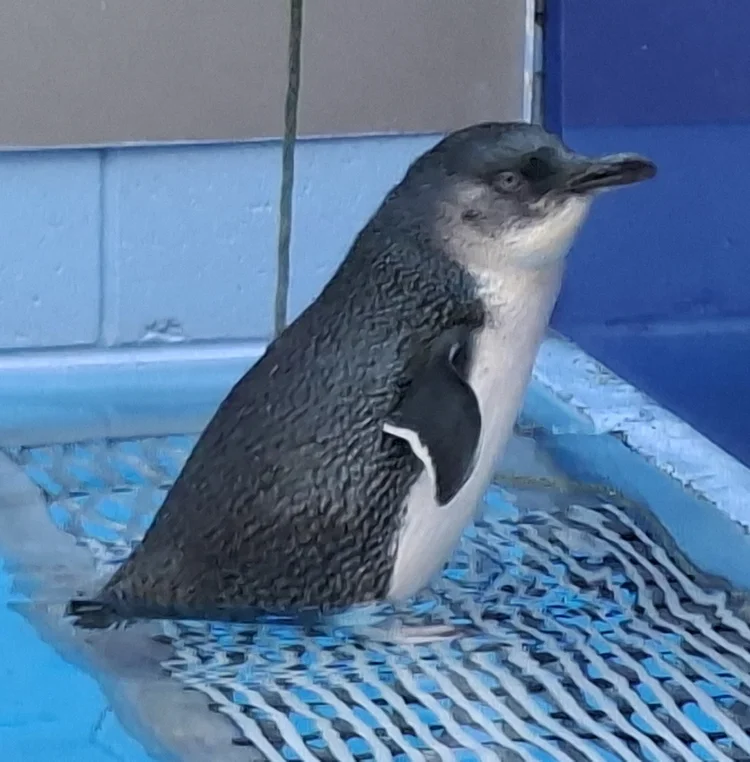
Once his injuries healed and his infection was under control, he was transferred to the Oamaru Penguin rehab facility for a bit more TLC to ensure that he was waterproof. He is not expected to have to stay long there and will be released at Oamaru to find his way back to Allans Beach - snacking on the way. He is microchipped, so we’ll know when he is back - or settled with the Oamaru kororā. |
|
|
|
Call for Mount Maunganui Dog Bylaw Submissions
|
|
Our Mount Maunganui group Western Bay Wildlife Trust are seeking community support to help protect their penguin colonies and strengthen current dog bylaws and restrictions. A core priority is to protect penguins inhabiting Moturiki Island, Mauao and the coastal vegetation/dunes along Mount Maunganui to Papamoa. Moturiki Island and Mauao are currently no dog zones, however dogs are often seen off leash near penguin burrows and/or penguin pathways. To improve the safety and welfare of kororā around Mount Maunganui, and the wider Western Bay of Plenty coastline, it is recommended submissions include: Mussel Rock (Shark Alley) be made a permanent and year-round NO DOG ZONE. Dogs are banned in coastal dunes (expect when on a leash using beach accessways). Signage is easily visible from multiple access points and contains direct and clear messaging. Fencing/protective barriers are installed near sensitive wildlife habitats and/or problematic dog regulation areas. Strict monitoring and enforcement of policies, bylaws and regulations.
Submissions close 5pm Thursday 2nd July Have your say here: Dog Management Policy and Bylaw, and Keeping of Animals Bylaw review - Let's talk Tauranga or email: policy@tauranga.govt.nz For more information, please contact Western Bay Wildlife Trust: Little Blue Penguin & Wildlife Conservation in Bay of Plenty | Western Bay Wildlife Trust
|
Early Breeding at Cape Sanctuary, Hawke’s Bay
|
|
|
In early June, the fabulous volunteers and penguin monitors at Cape Sanctuary reported eggs: Food must be good for the female (pictured) to feel fat and confident (!) to lay eggs so early. Good on her- and we are expecting that she will double brood this season! |
|
We expect to hear that eggs were laid early (again), at the Oamaru colony - and they now even have chicks! And Cape Sanctuary has now got early eggs - who else? Do let us know. Most other kororā will still be thinking about it, building nests and partnerships, and the females will be working out whether they feel fat enough to breed or it is better to wait another month. Regardless the breeding season is upon us, so keep your eyes peeled for any eggs in your colony! Groups that monitor colonies via trail camera surveillance and footprint surveys, may notice fluctuations in the numbers of penguins coming and going, but will likely see increases in activity along their stretch of coast over the coming months. |
|

|
|
Kororā Kōrero- Monthly Support Meeting
|
|
|
|